Upcoming
Senses EnchantedGeneviève Cadieux, Esther Ferrer, Douglas Gordon, Cristina Iglesias, Anish Kapoor, Ernesto Neto, Tobias Rehberger, Maya Rikli, Giacomo Santiago Rogado, Hagar Schmidhalter, Soledad Sevilla, Rémy Zaugg
Senses EnchantedGeneviève Cadieux, Esther Ferrer, Douglas Gordon, Cristina Iglesias, Anish Kapoor, Ernesto Neto, Tobias Rehberger, Maya Rikli, Giacomo Santiago Rogado, Hagar Schmidhalter, Soledad Sevilla, Rémy Zaugg
Group show
Kunsthaus BasellandIn collaboration with the Contemporary Art Collection ”la Caixa” Foundation
Opening September 24, 2026, 18:00
Kunsthaus BasellandIn collaboration with the Contemporary Art Collection ”la Caixa” Foundation
Opening September 24, 2026, 18:00
September 25 – April 29, 2027
Basel
Switzerland
Basel
Switzerland
Upcoming
continuo
continuo
Solo show
Bernhard Knaus Fine Art
Opening June 25, 2026, 18:00
Bernhard Knaus Fine Art
Opening June 25, 2026, 18:00
June 25 – August 29, 2026
Frankfurt am Main
Germany
Frankfurt am Main
Germany
2026
El corazón es agua
Solo show
Richeldis Fine Art
Richeldis Fine Art
May 7 – July 30, 2026
Barcelona
Barcelona


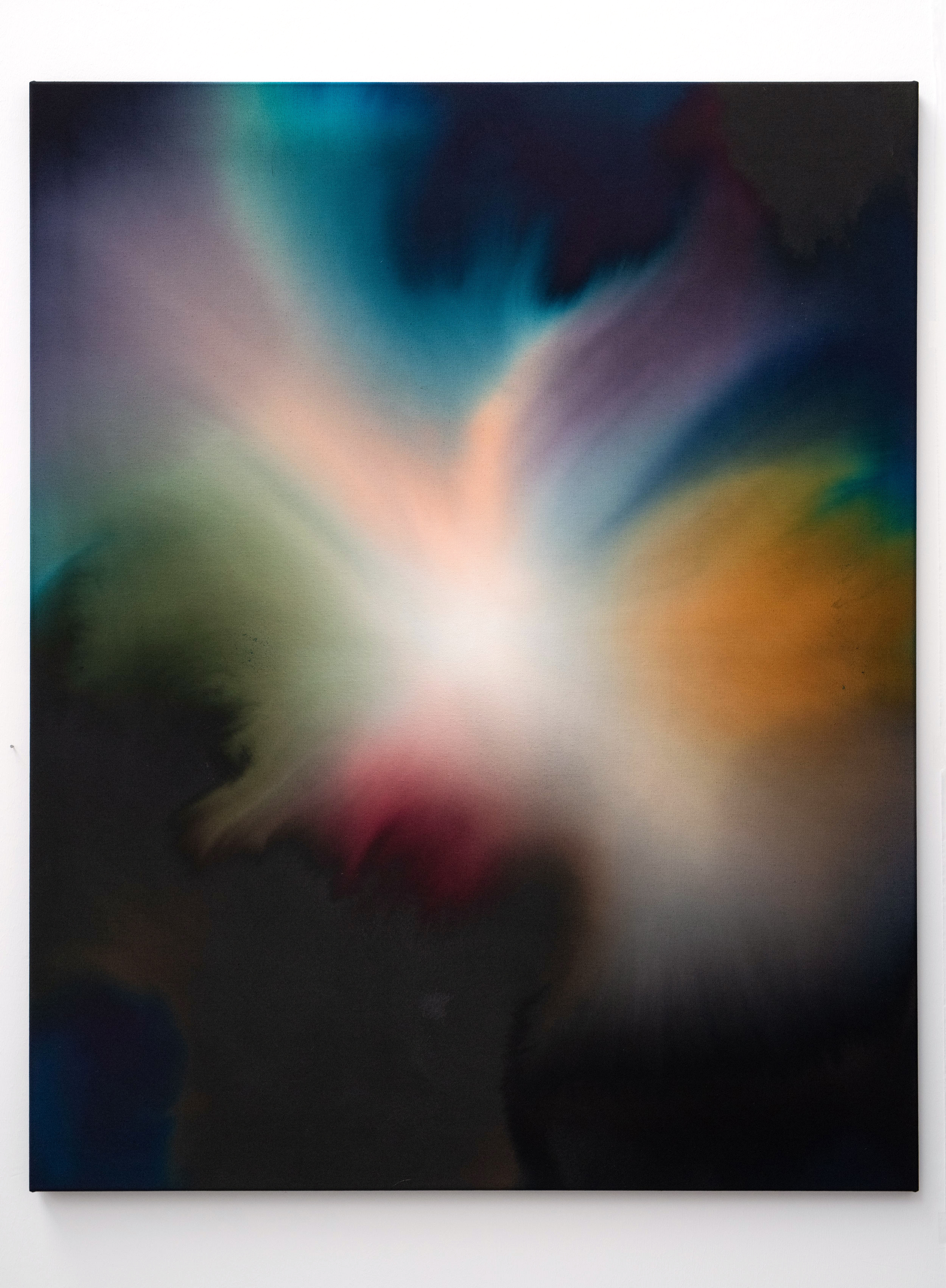
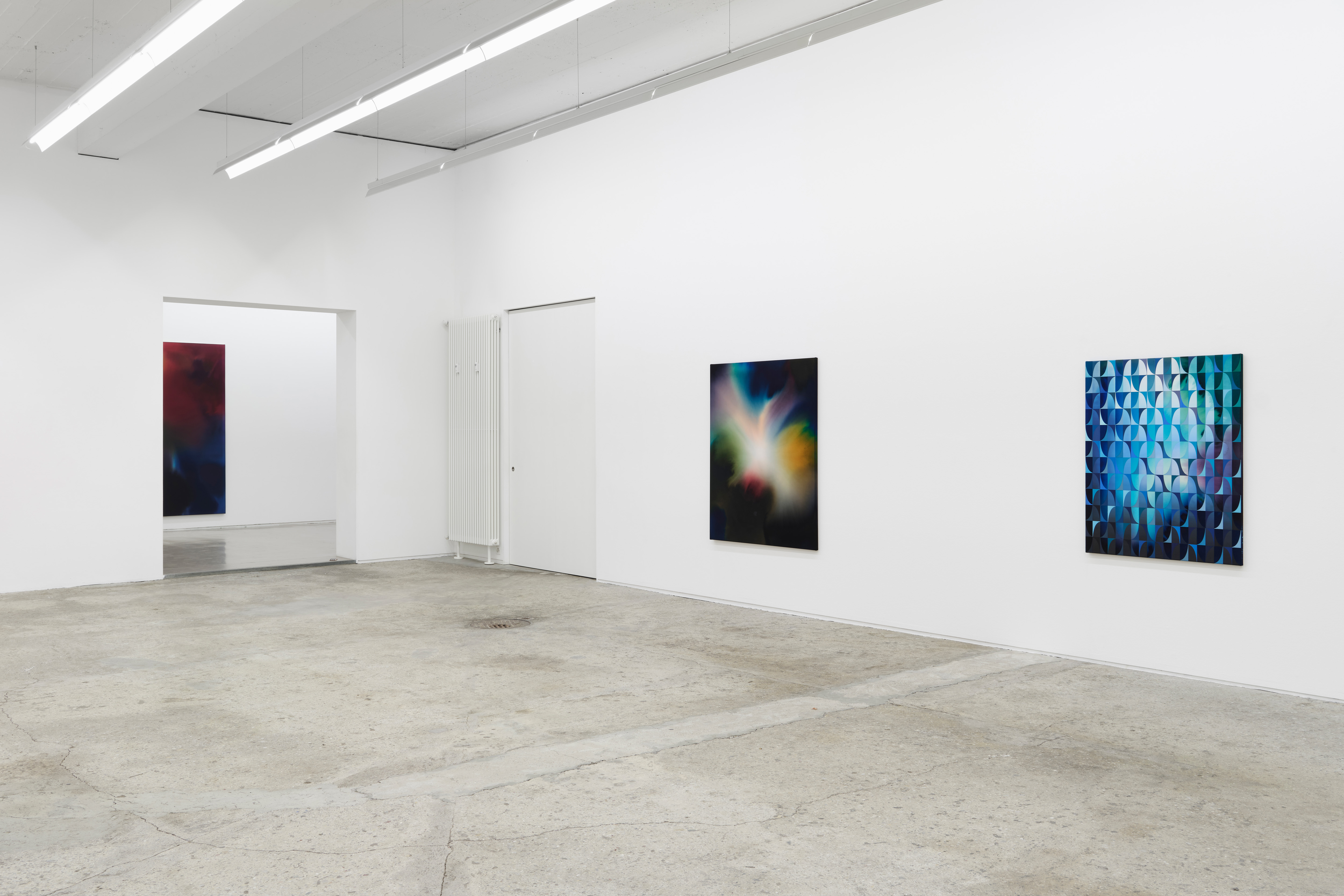
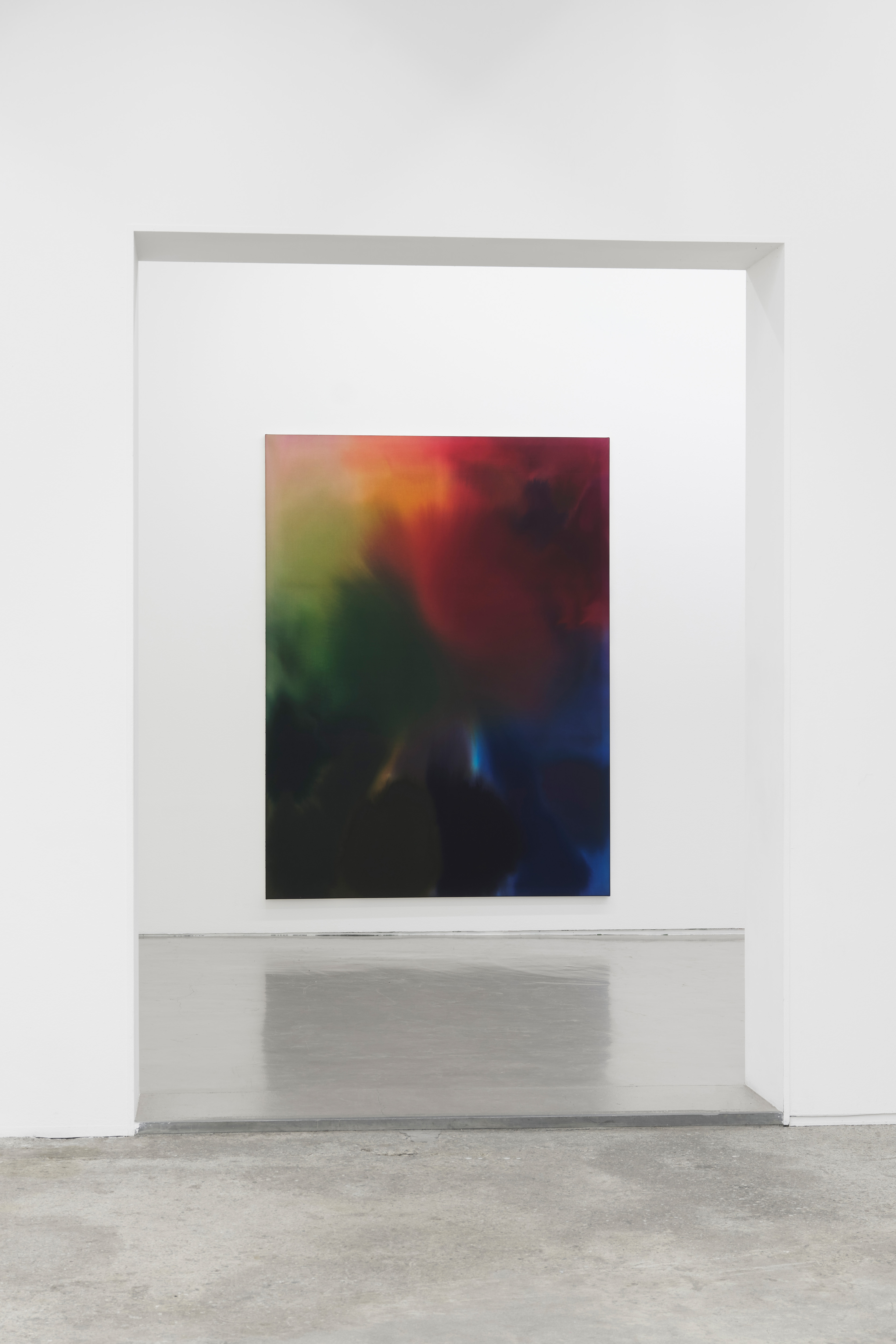
(...) At the core of Rogado’s practice is a process guided as much by material behaviour as by the artist’s hand. Working directly with the physical properties of paint, Rogado allows pigment to disperse, settle, and accumulate across raw canvas, creating compositions that emerge through a careful choreography of chance, rhythm, and restraint. The resulting forms hover between presence and dissolution - suggestive of atmosphere, landscape, shadow, or bodily trace, yet never fully fixed. His paintings unfold as perceptual fields, inviting a slow and shifting encounter in which image and abstraction continuously destabilise one another. Throughout the work there is a sense of continual movement - a fluid, almost tidal rhythm in which forms appear to drift, dissolve, and reform. This quality of flow reflects the artist’s process itself, where pigment, gravity, absorption, and time remain active participants in the formation of the image.
This new body of work marks a further distillation within the artist’s practice. More monochromatic and pared back in palette, the paintings reduce gesture and colour to their essential elements, pushing the abstraction towards an intensified sense of stillness and spatial ambiguity. Deep blacks, muted indigo tones, and saturated crimson emerge against luminous grounds, allowing the subtle movement of pigment and the tension between control and chance to become increasingly pronounced.
This new body of work marks a further distillation within the artist’s practice. More monochromatic and pared back in palette, the paintings reduce gesture and colour to their essential elements, pushing the abstraction towards an intensified sense of stillness and spatial ambiguity. Deep blacks, muted indigo tones, and saturated crimson emerge against luminous grounds, allowing the subtle movement of pigment and the tension between control and chance to become increasingly pronounced.
The works possess a meditative clarity in which scale, silence, and material presence operate with quiet intensity. The exhibition also includes a monumental suspended painting positioned directly before the gallery window. Positioned in dialogue with the light behind it, the work reveals the translucency and internal structure of the painting itself. Hovering between image and object, surface and space, the work transforms the surrounding architecture into part of the composition. Here, Rogado extends painting beyond the wall and into an immersive spatial encounter in which light, atmosphere, and material presence become inseparable.
The exhibition includes four sculptural works from Rogado’s ongoing Observing Self and Time Capsule series. Composed of mirrored spheres and hourglass forms, the sculptures extend the artist’s investigation of perception, reflection, and consciousness into three dimensions. Their mirrored surfaces absorb the surrounding space while simultaneously implicating the viewer within the work itself, creating a tension between immersion and self-awareness. Echoing the conceptual sensibility of John Cage’s 4’33”, these works foreground attention and presence, heightening an awareness of space, duration, and the act of observation itself. Across Rogado’s practice, painting, sculpture, rhythm, and reflection operate as part of an evolving visual language - one that unfolds less as a fixed image than as a continuous state of movement, perception, and poetic resonance.
Photography by Francisco Nogueira
The exhibition includes four sculptural works from Rogado’s ongoing Observing Self and Time Capsule series. Composed of mirrored spheres and hourglass forms, the sculptures extend the artist’s investigation of perception, reflection, and consciousness into three dimensions. Their mirrored surfaces absorb the surrounding space while simultaneously implicating the viewer within the work itself, creating a tension between immersion and self-awareness. Echoing the conceptual sensibility of John Cage’s 4’33”, these works foreground attention and presence, heightening an awareness of space, duration, and the act of observation itself. Across Rogado’s practice, painting, sculpture, rhythm, and reflection operate as part of an evolving visual language - one that unfolds less as a fixed image than as a continuous state of movement, perception, and poetic resonance.
Photography by Francisco Nogueira
Upcoming
El corazón es agua
El corazón es agua
Solo show
Richeldis Fine Art
Opening May 7, 2026 18:00
Richeldis Fine Art
Opening May 7, 2026 18:00
May 7 – July 30, 2026
Barcelona
Spain
Barcelona
Spain
2025
senza fine
Solo show
Galerie Mark Müller
Galerie Mark Müller
September 5 – October 18, 2025
Zürich
Zürich
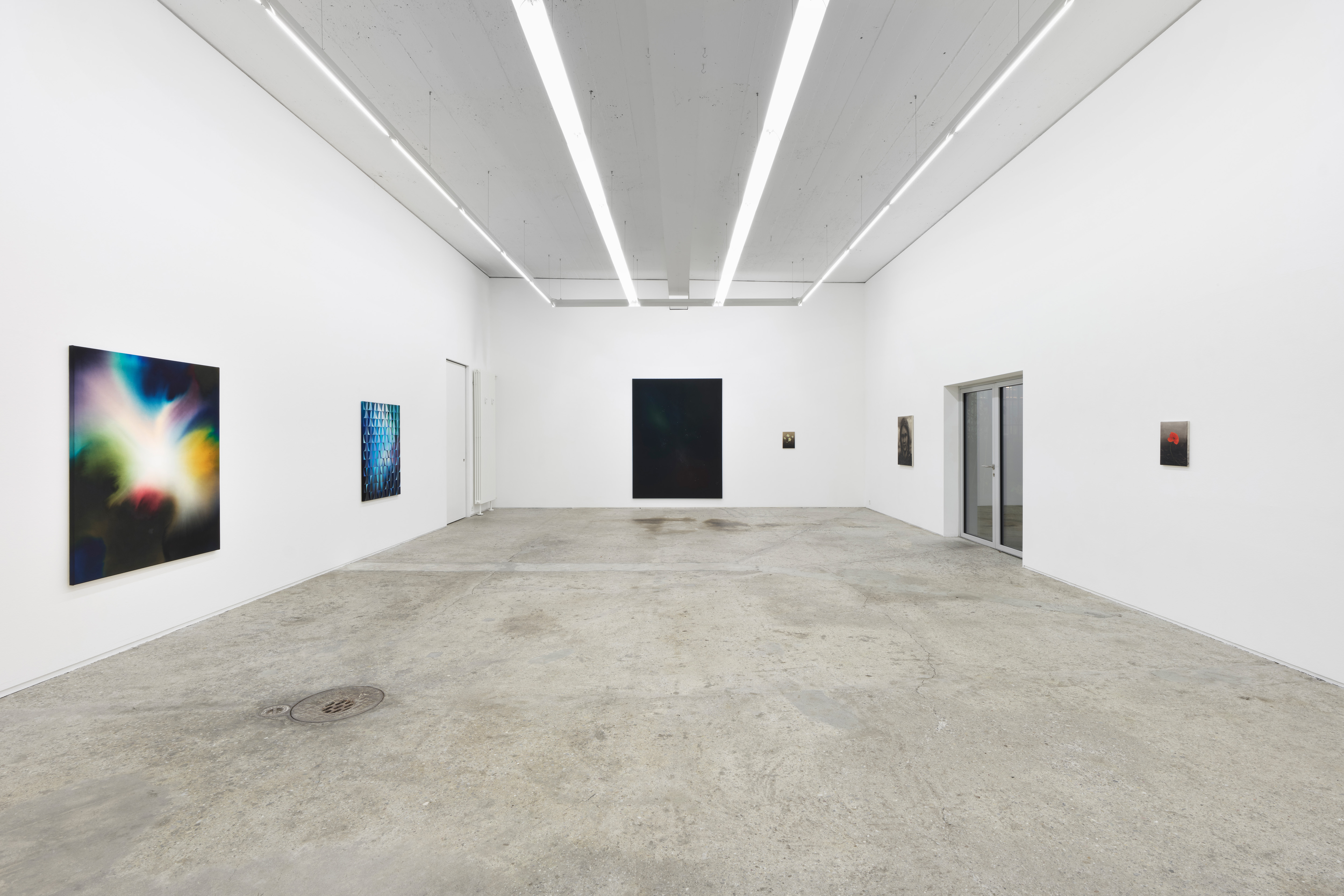
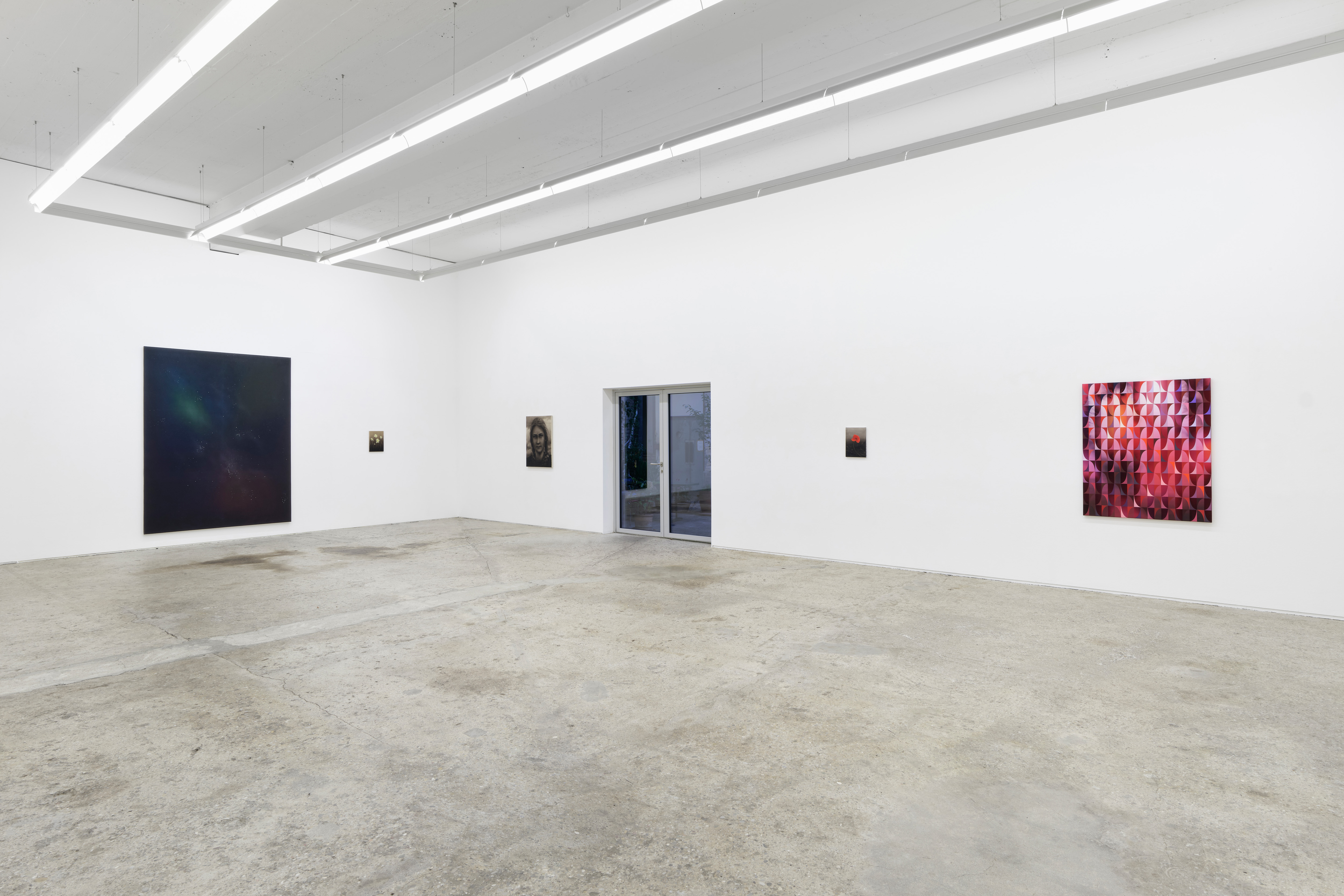



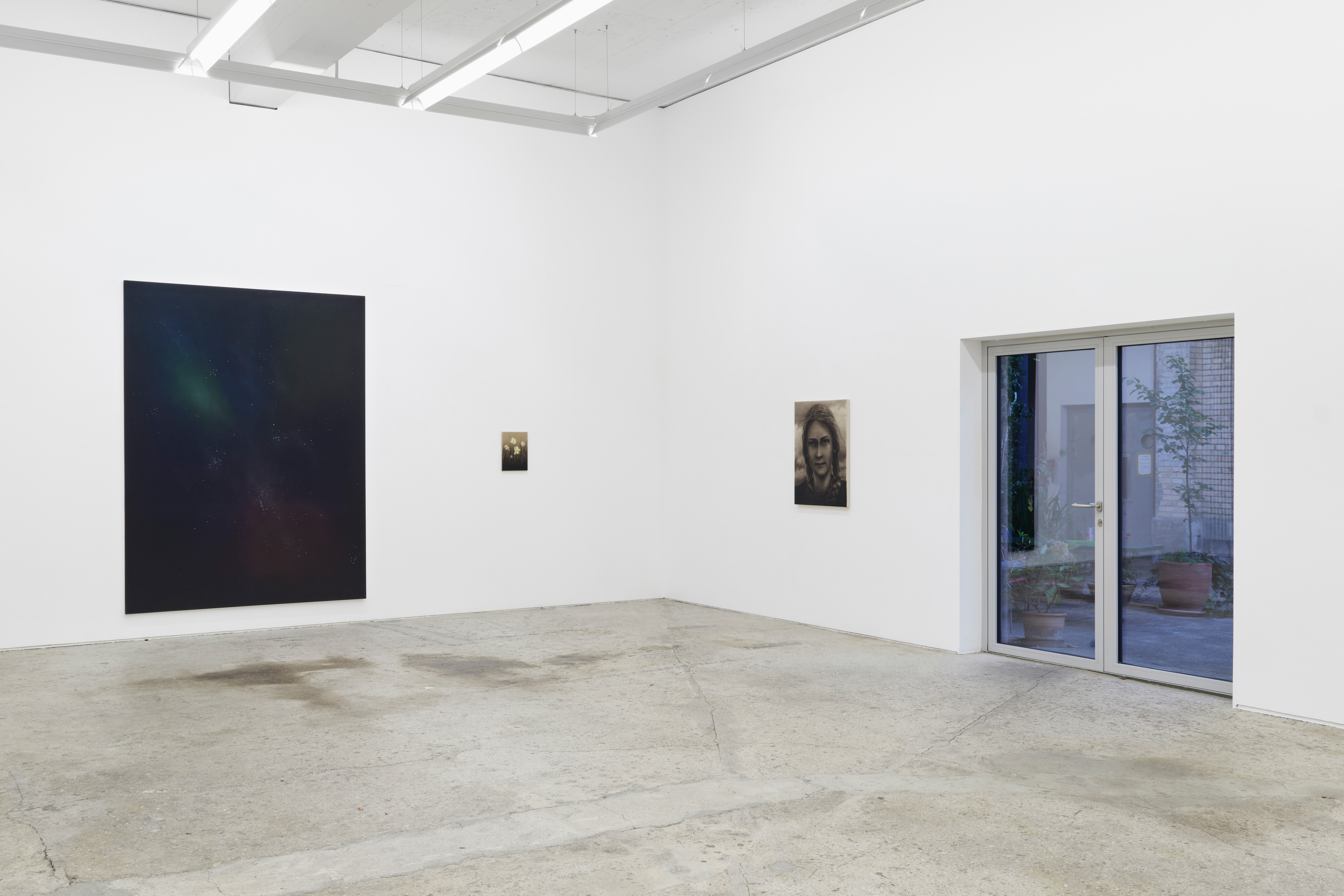

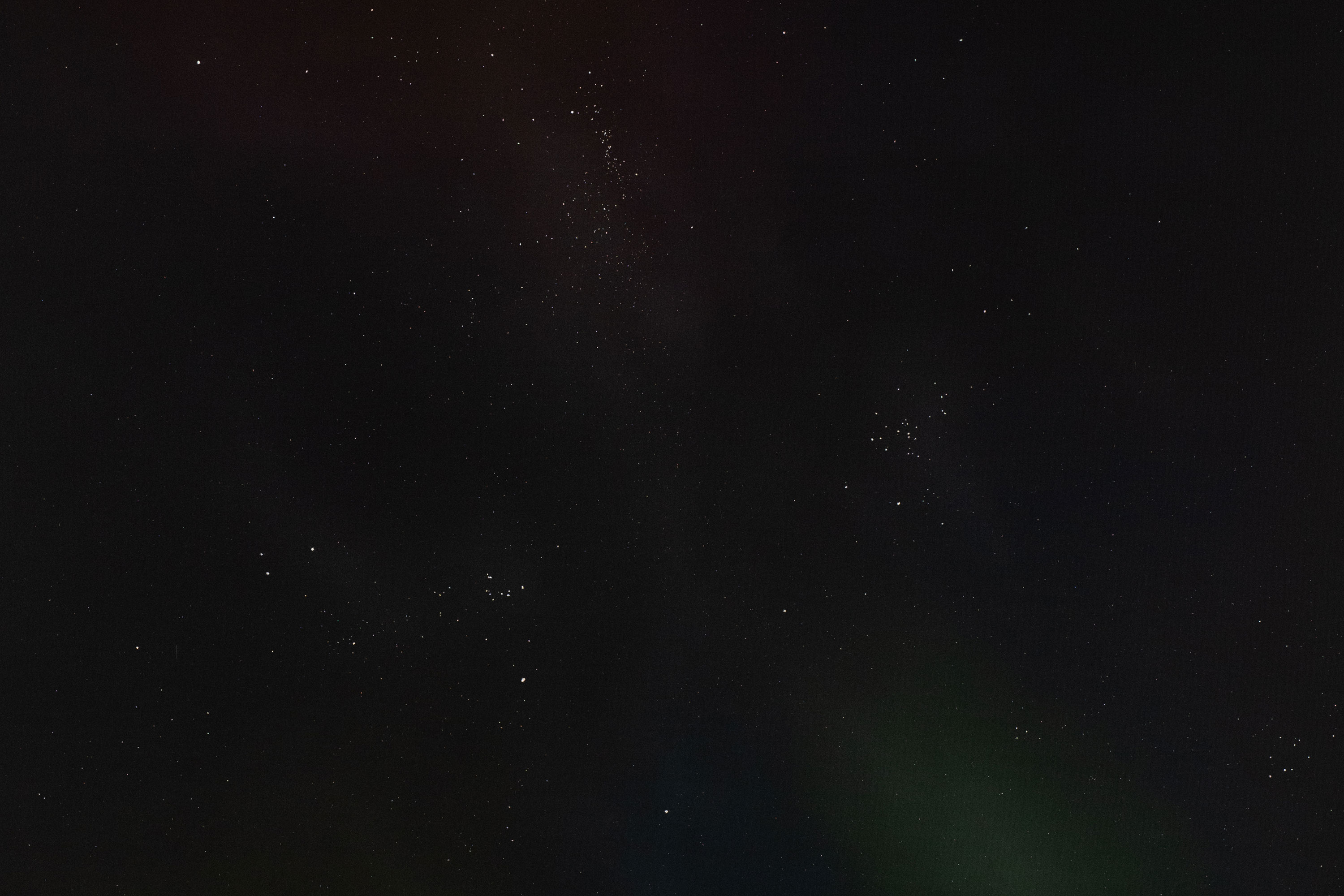
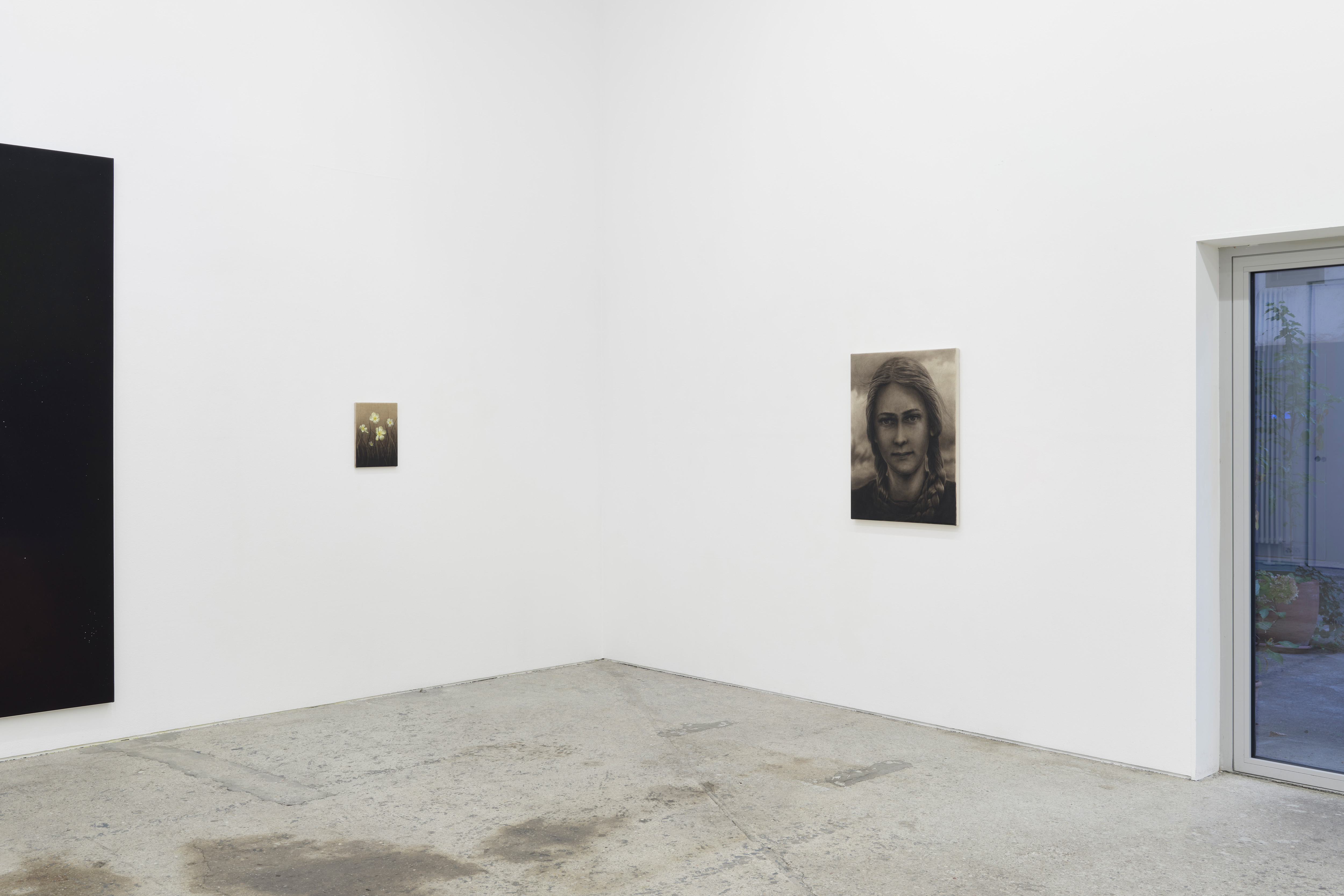
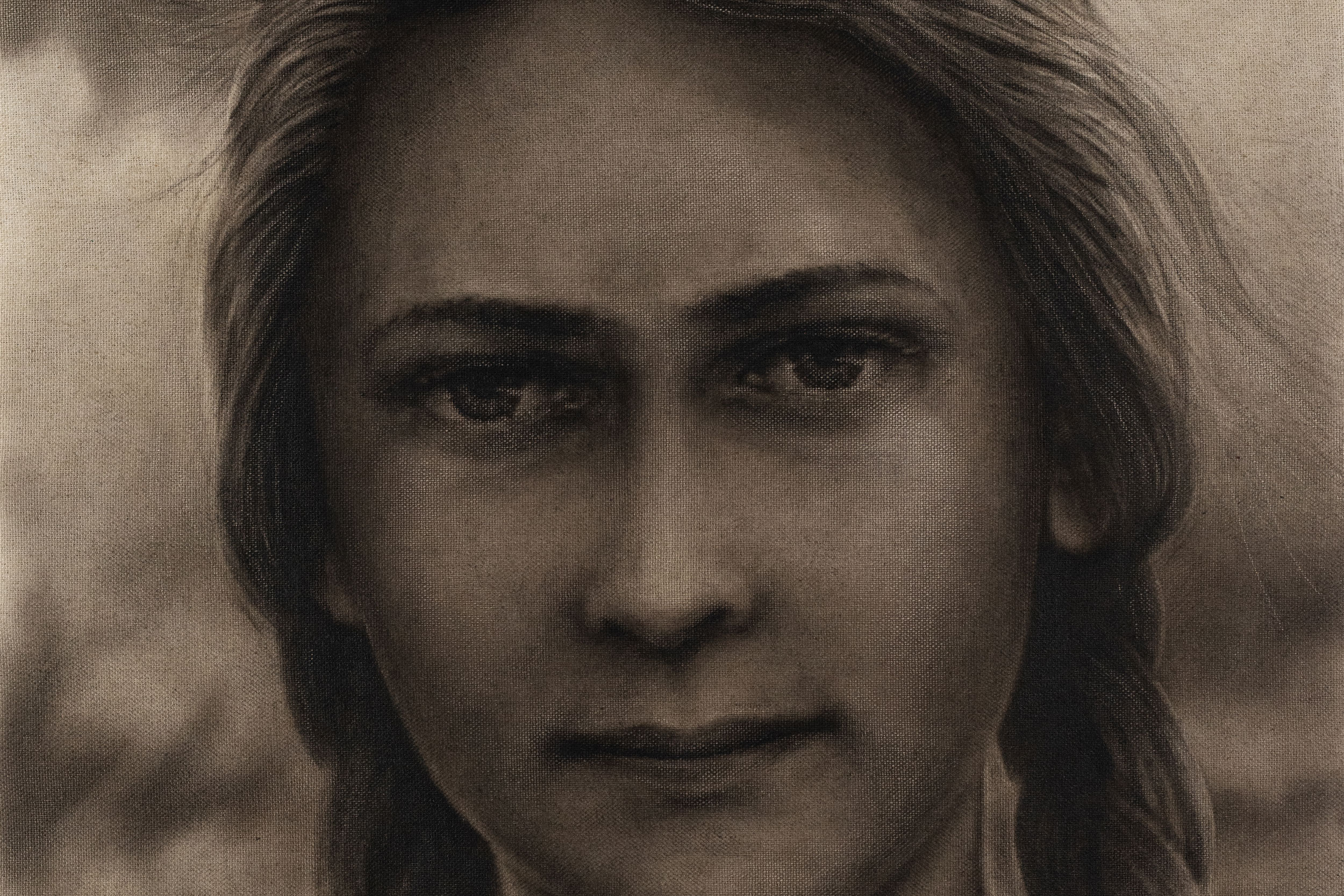




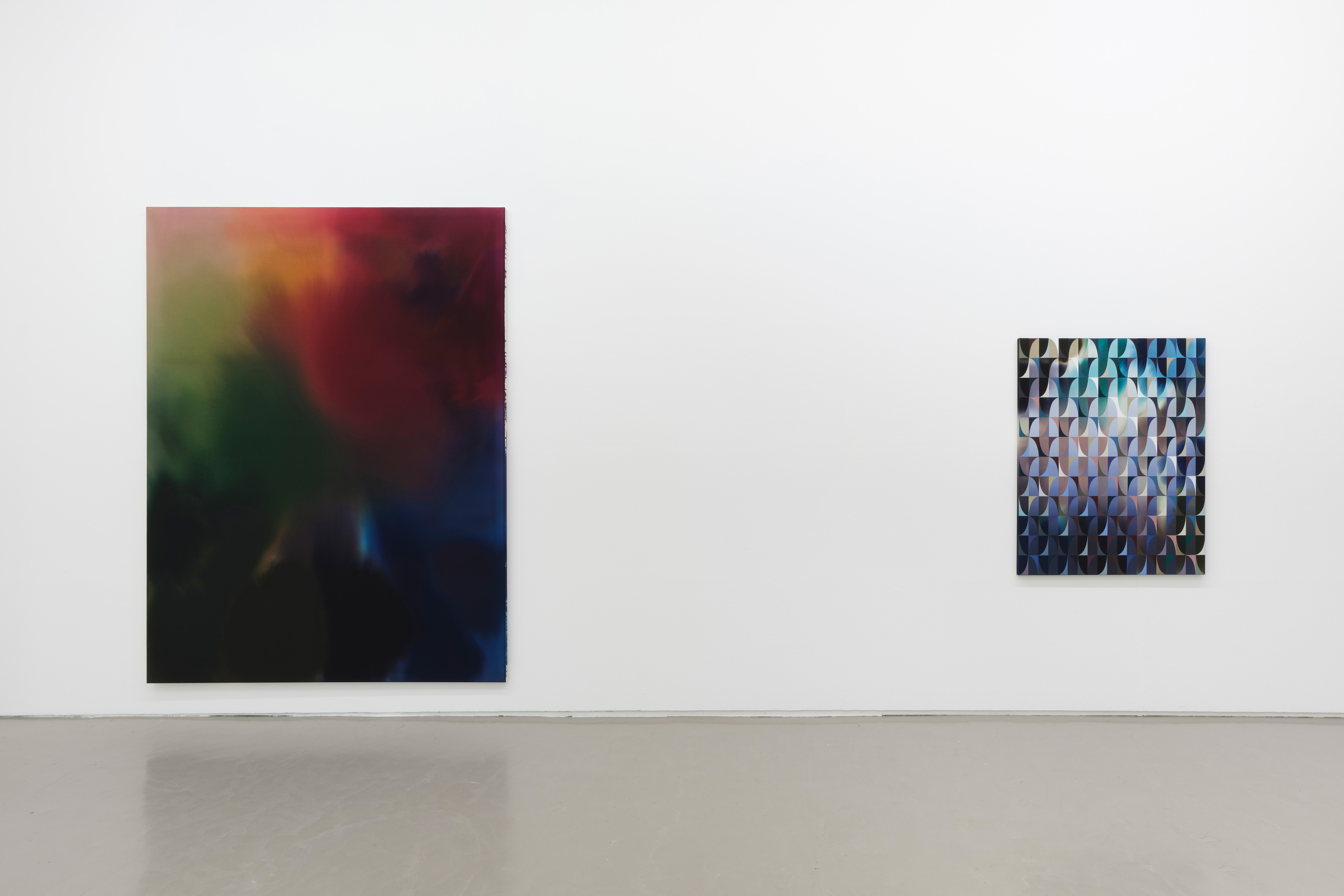
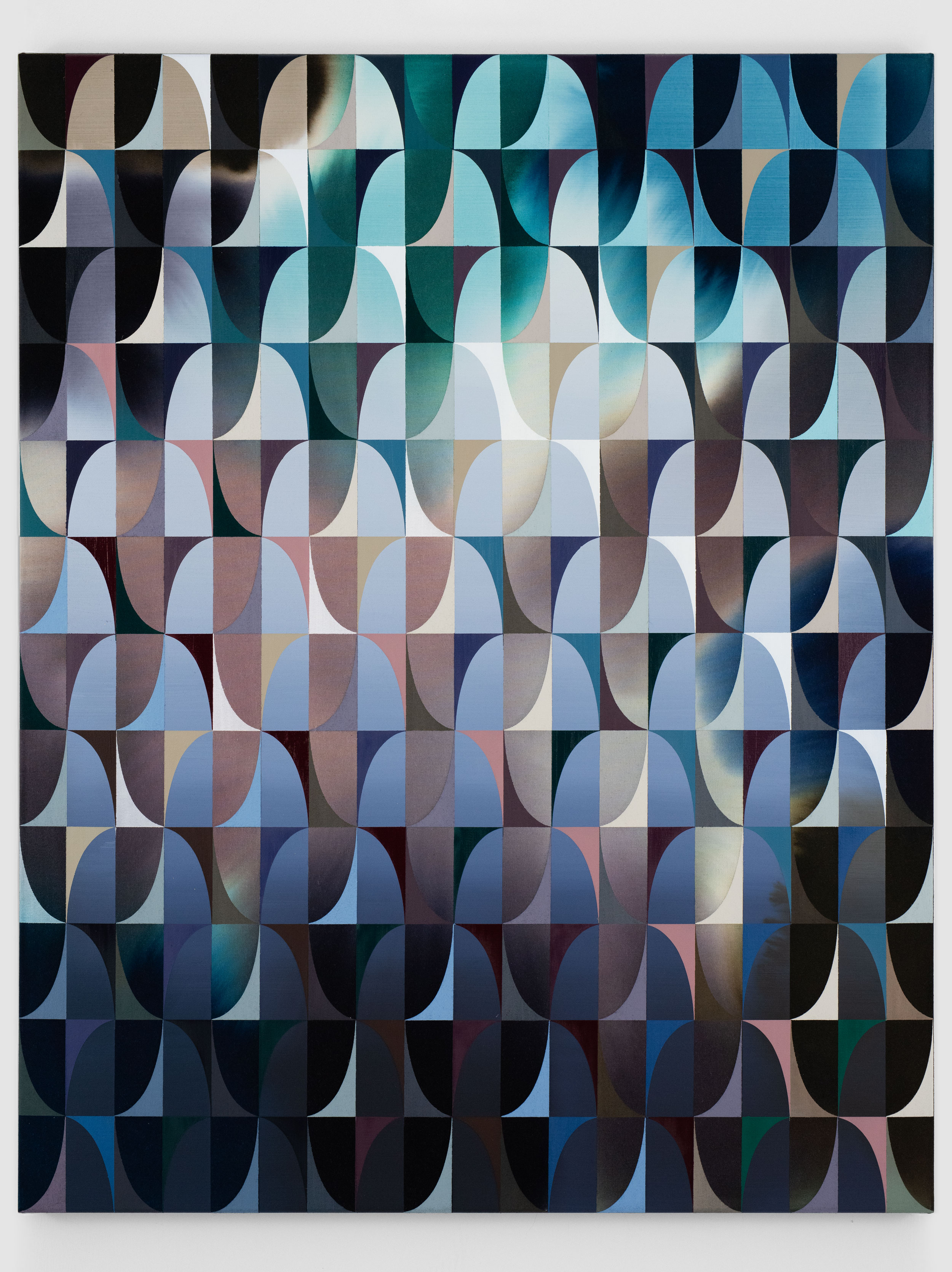


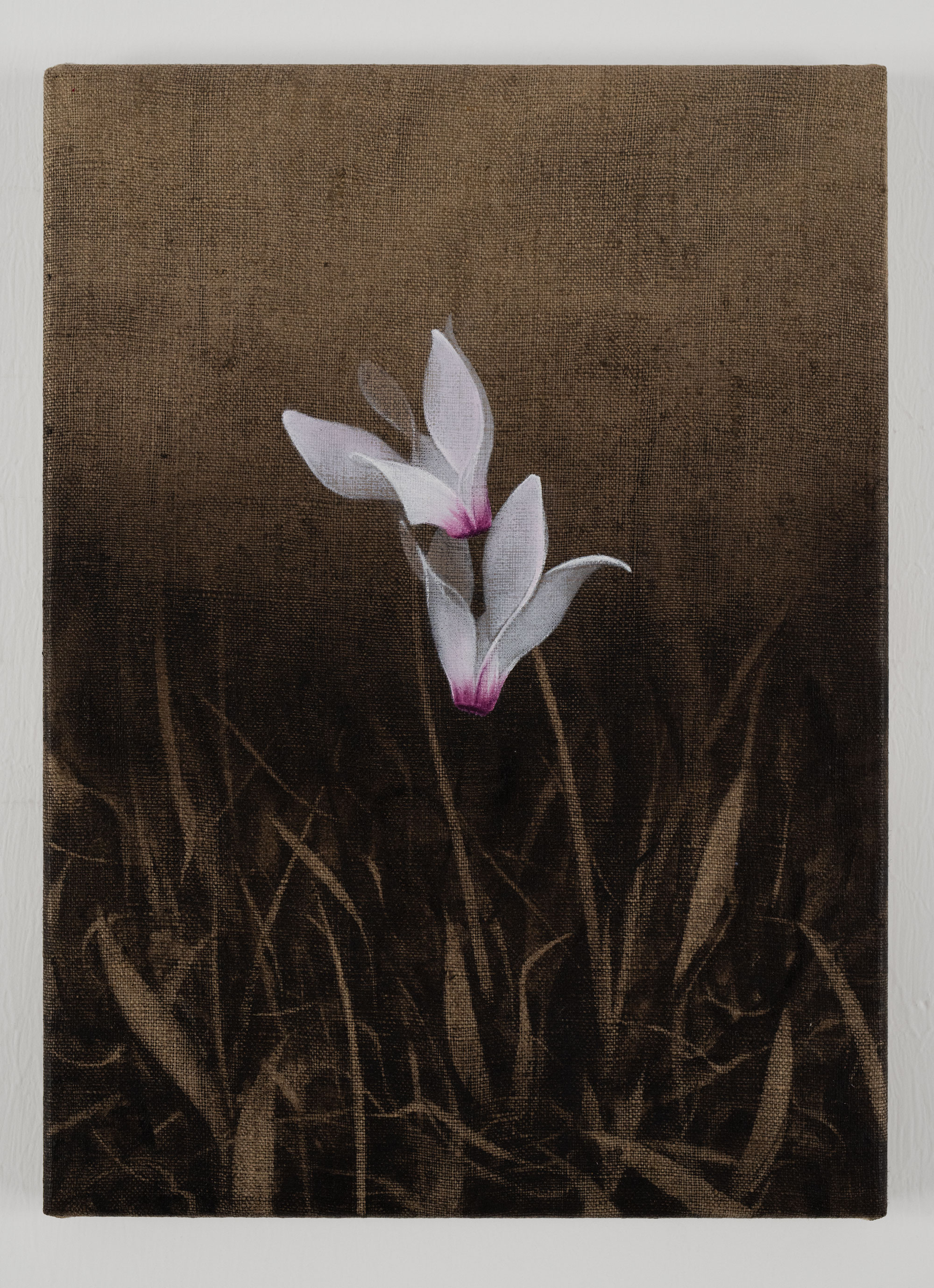
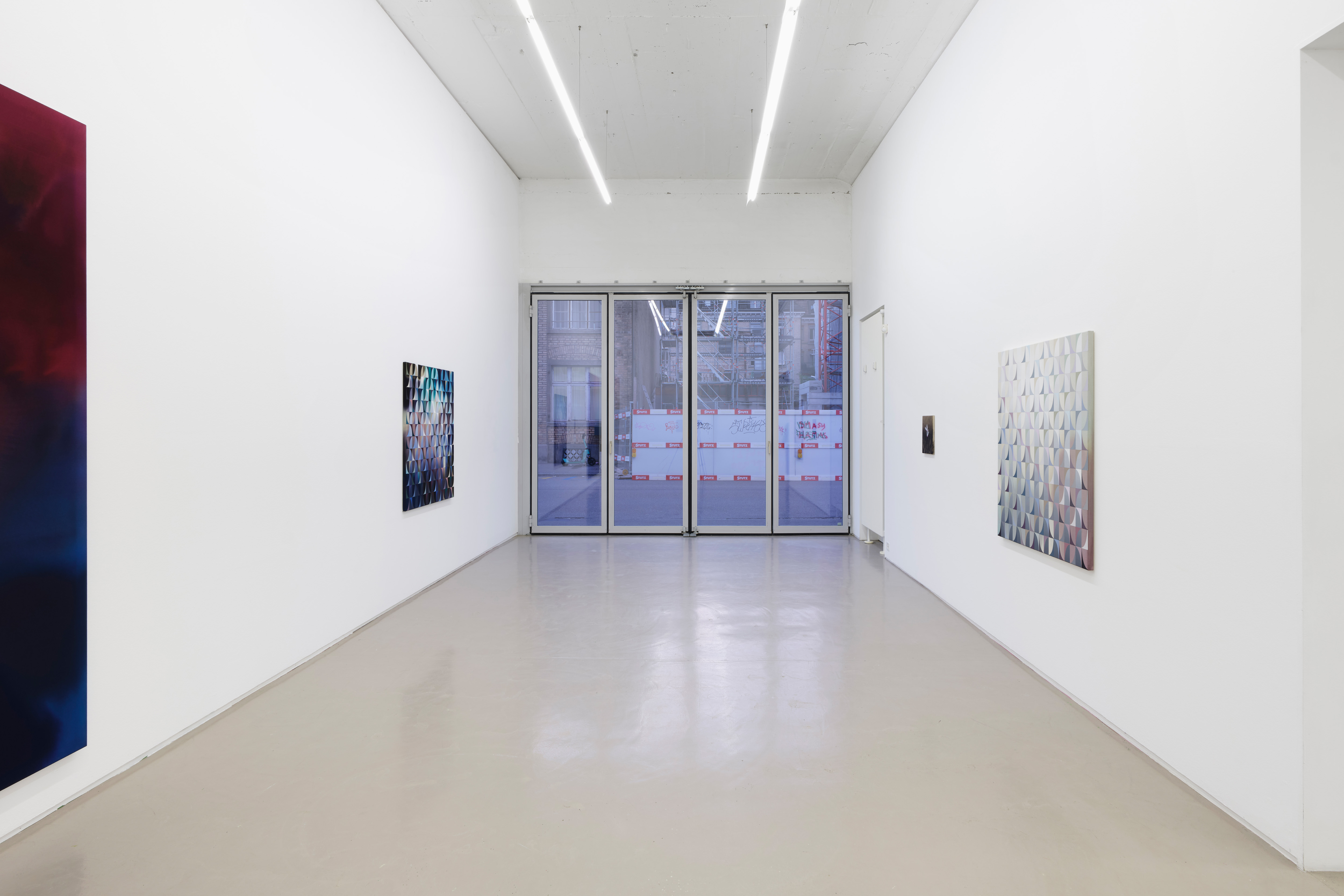
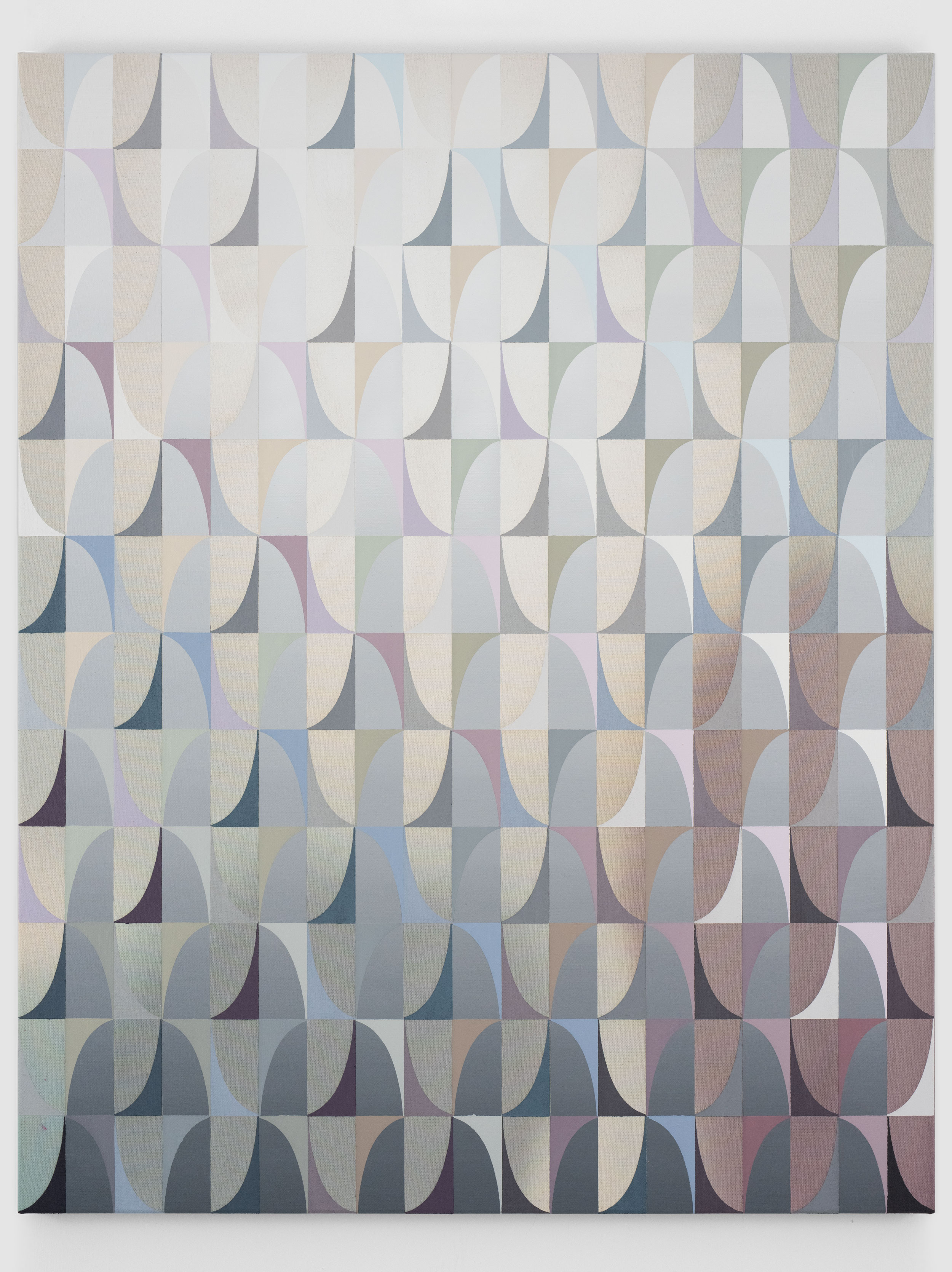
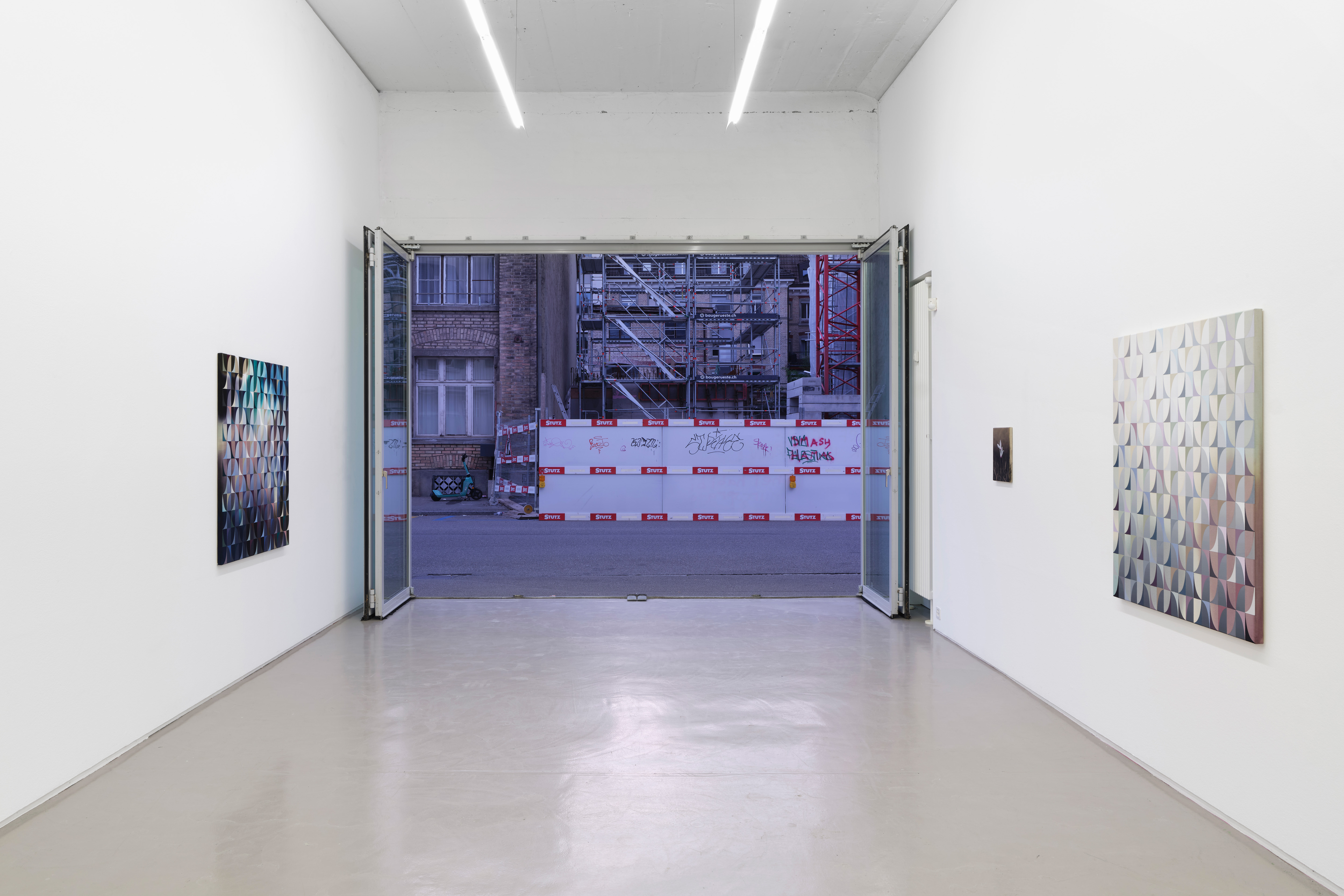

Each time it feels as if I could see more, yet I never see enough. I catch myself wandering from one interpretation to the next: I wish my gaze could resolve itself somewhere, into a thing, an idea, a detail that might finally tell me «this and not that»; instead I hesitate, leaping from paradox to paradox. I believe I can glimpse beyond the weave of the image, convince myself that I seize its story or sound its layers, and still I keep returning here, now, to the canvas, as if I had never left it.
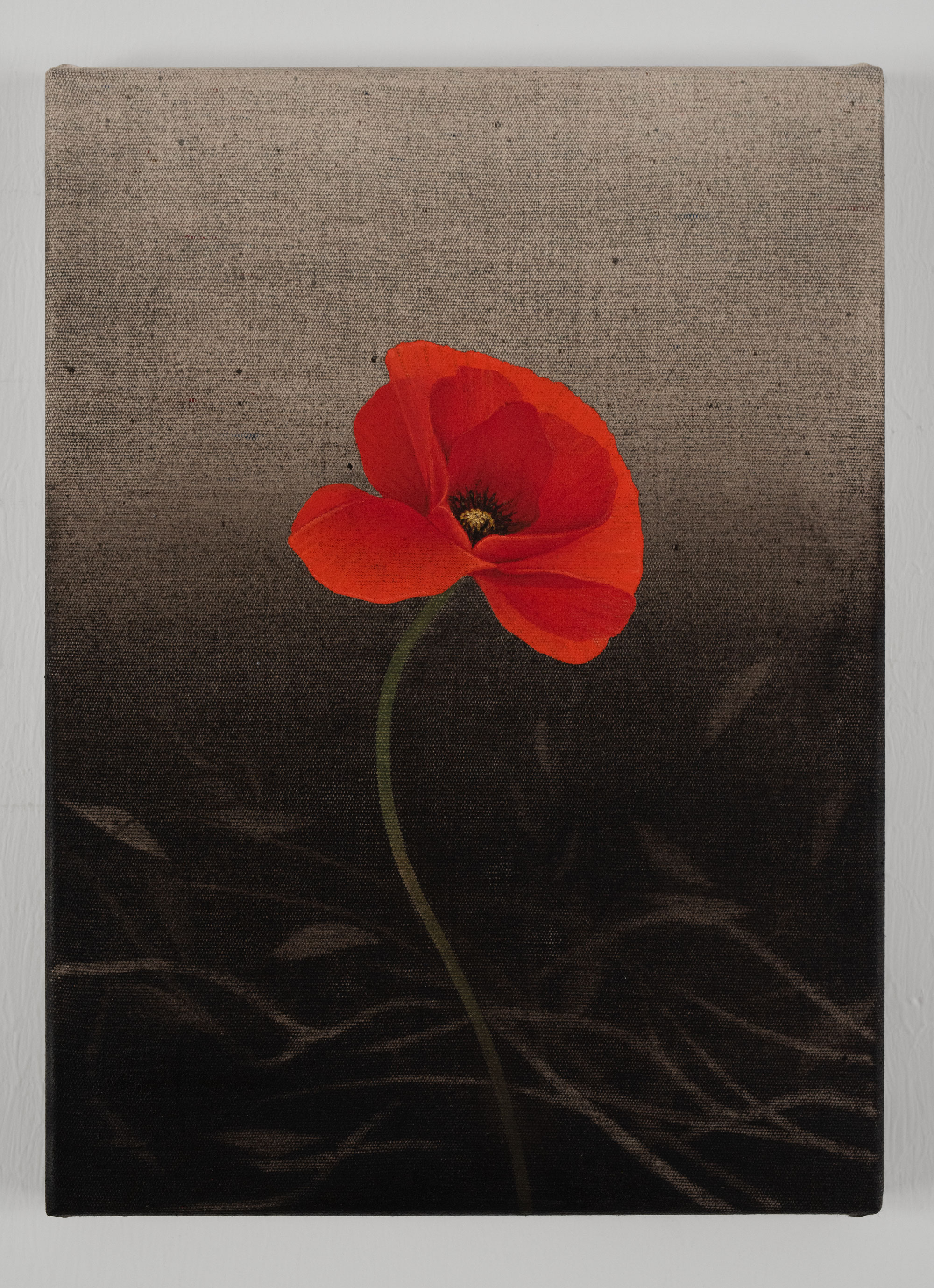
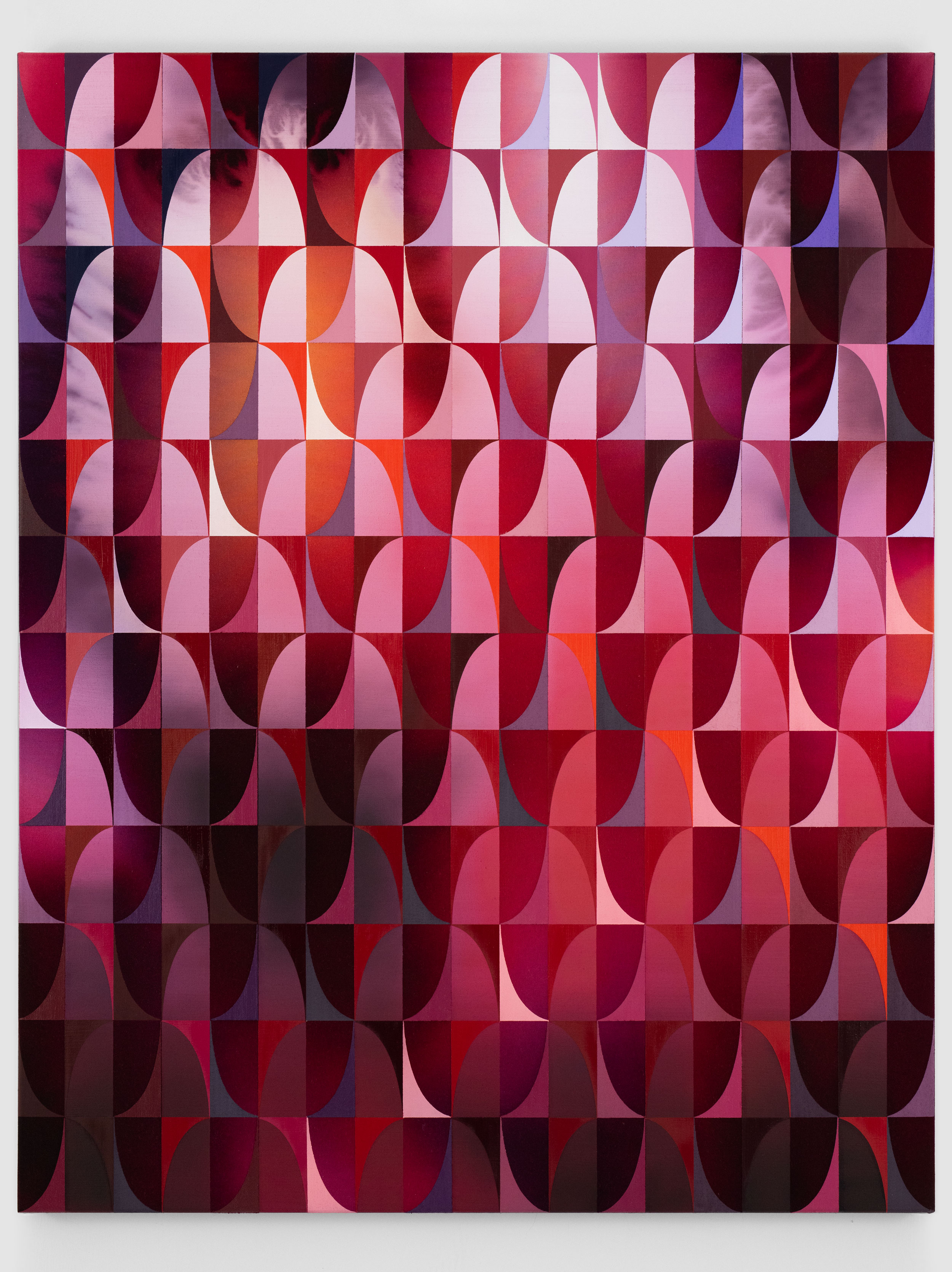
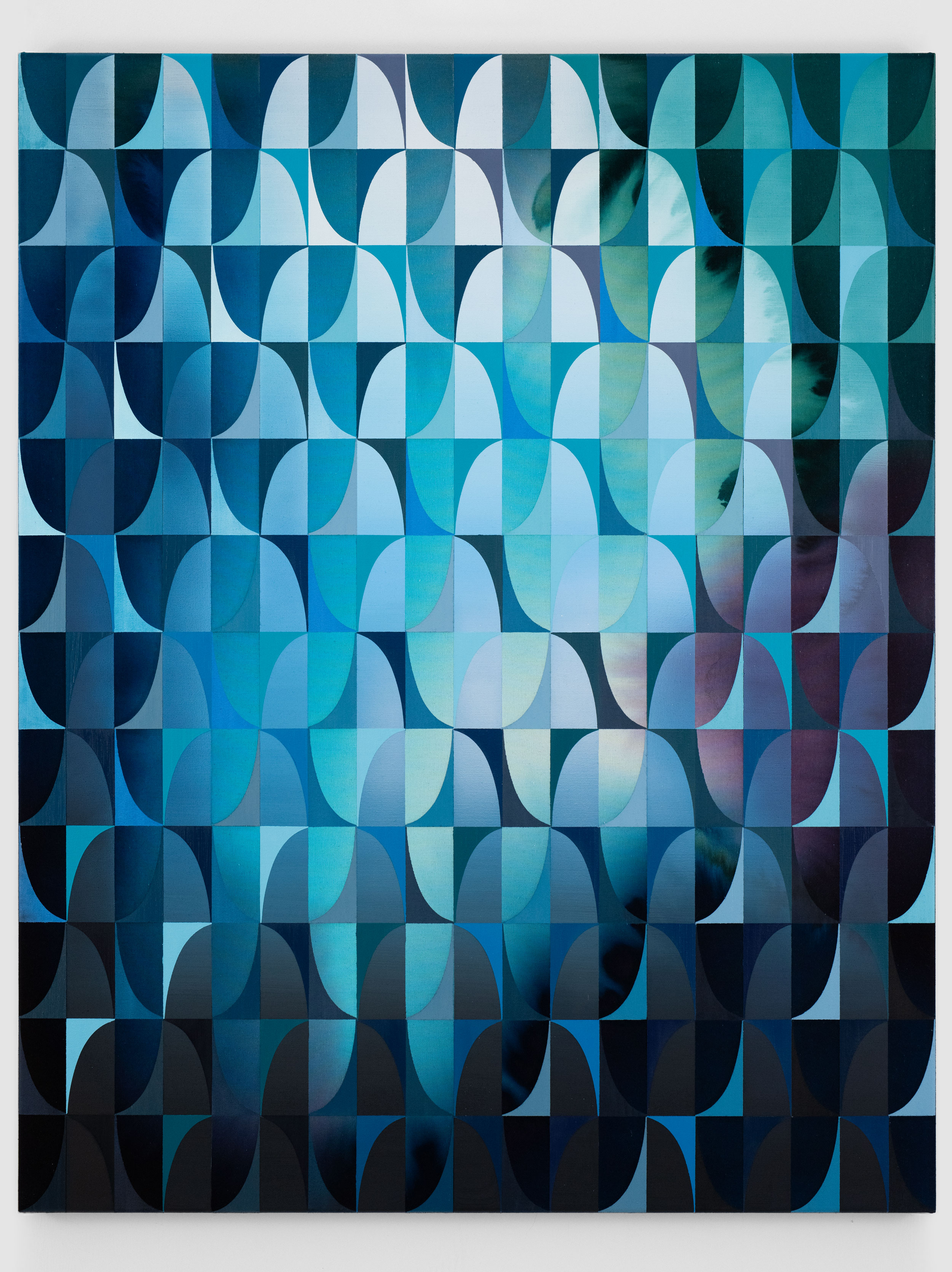
How this geometric rigour, so systematic, logical, lucid, which I delude myself into grasping in all its clarity, could have already become another form, another colour — other than itself? How do these shifts of colour embrace me with their endless adjustments and lull me into their abyss? How can these flowers survive—delicate and proud—amid the drama of their invisible stems, and the bristling weeds that loom over them? What to make of those tightened lips, the eyes carved by events, and those cheeks beaded with tears: are they anger or vindication, despair or hope, past or future? And what is one to feel before this sea, when I cannot decide between the horizon and geometry, when I cannot choose whether to sink to the surface, or soar into the depths?
“I paint until the image emerges,” says Rogado, “whether the result is abstract or figurative”. The work’s success lies in the visual dilemma it places before our eyes. The question must remain unresolved. Rogado does not work towards goals, he does not plan, he does not foresee; he prefers to follow a gesture, a procedure, a logic, and then juxtapose it with other gestures, other procedures, other logics. His work is a layering of painterly processes, executed experimentally, whose sole aim is the unexpected singularity of the result.
How this geometric rigour, so systematic, logical, lucid, which I delude myself into grasping in all its clarity, could have already become another form, another colour — other than itself? How do these shifts of colour embrace me with their endless adjustments and lull me into their abyss? How can these flowers survive—delicate and proud—amid the drama of their invisible stems, and the bristling weeds that loom over them? What to make of those tightened lips, the eyes carved by events, and those cheeks beaded with tears: are they anger or vindication, despair or hope, past or future? And what is one to feel before this sea, when I cannot decide between the horizon and geometry, when I cannot choose whether to sink to the surface, or soar into the depths?
“I paint until the image emerges,” says Rogado, “whether the result is abstract or figurative”. The work’s success lies in the visual dilemma it places before our eyes. The question must remain unresolved. Rogado does not work towards goals, he does not plan, he does not foresee; he prefers to follow a gesture, a procedure, a logic, and then juxtapose it with other gestures, other procedures, other logics. His work is a layering of painterly processes, executed experimentally, whose sole aim is the unexpected singularity of the result.
And so we lose ourselves in the play of formal contrasts that accord without our knowledge, gliding gently from one logic to another, and traversing this perceptual labyrinth in every possible sense. We could look away and suspend every question; instead we remain with these images that go on beginning, never ending… perhaps because they have nothing in particular to show. Their dazzling ambiguity, invading our body, soothes us. Every obligation is repelled, every expectation suspended, and our attention becomes gentle and floating.
Reflecting on the Chinese conception of landscape, the philosopher François Jullien noted that contemplation — unlike observation — is not born of desire, nor does it aim to possess or internalize, but is a mode of immersion. When we contemplate, we do not see a world as a view or a spectacle, because we are not looking from the outside but from within, absorbed in the relations among things, which together seize us, hold us, and flow through us. Rogado’s painting addresses this intimate realm of vision: it promotes it, calls for it, seeking a contact that opens us to the whole of the sensible. What is required, then, is a gesture of trust; the willingness to feel what it has to reveal about ourselves in the world.
“So my mind sinks in this immensity:
and foundering is sweet in such a sea.” 1
Thus the poet Leopardi confided in his reader, his gaze turned to his own landscape; so we too would confide in Giacomo Santiago Rogado, our gaze turned to his painting.
Luca Libertini
1 Giacomo Leopardi, Canti: Poems / A Bilingual Edition, translated and annotated by Jonathan Galassi (New York: Farrar, Straus and Giroux, 2010)
Reflecting on the Chinese conception of landscape, the philosopher François Jullien noted that contemplation — unlike observation — is not born of desire, nor does it aim to possess or internalize, but is a mode of immersion. When we contemplate, we do not see a world as a view or a spectacle, because we are not looking from the outside but from within, absorbed in the relations among things, which together seize us, hold us, and flow through us. Rogado’s painting addresses this intimate realm of vision: it promotes it, calls for it, seeking a contact that opens us to the whole of the sensible. What is required, then, is a gesture of trust; the willingness to feel what it has to reveal about ourselves in the world.
“So my mind sinks in this immensity:
and foundering is sweet in such a sea.” 1
Thus the poet Leopardi confided in his reader, his gaze turned to his own landscape; so we too would confide in Giacomo Santiago Rogado, our gaze turned to his painting.
Luca Libertini
1 Giacomo Leopardi, Canti: Poems / A Bilingual Edition, translated and annotated by Jonathan Galassi (New York: Farrar, Straus and Giroux, 2010)